Enhancing Design with the Elegance of Designer Clothes Font
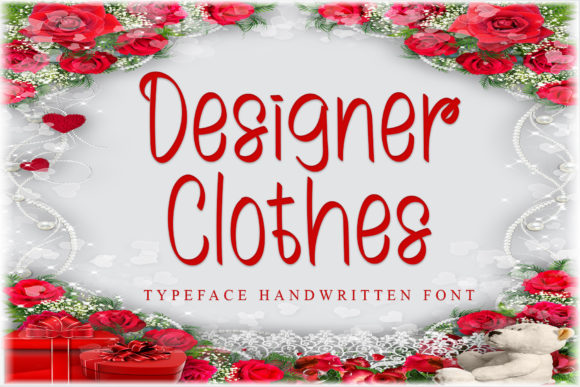
The world of design is ever-evolving, and typography plays a crucial role in capturing attention and conveying personality. One font that has gained popularity for its unique and elegant aesthetic is Designer Clothes. With its handcrafted appearance and dynamic baseline, this font brings a natural, artistic flair to any project. From wedding invitations to billboards, logos to business cards, Designer Clothes offers a versatile and sophisticated style that stands out.
Understanding the Characteristics of Designer Clothes
Designer Clothes is not your typical digital font. It mimics the fluidity and imperfection of handwriting while maintaining a refined structure. The varied baseline gives it a sense of movement, making each character feel individually crafted. This feature is especially effective when used for designs that aim to evoke warmth, creativity, or personalization.
One of the most notable aspects of Designer Clothes is its balance between readability and artistry. While some handwritten fonts can be difficult to decipher at smaller sizes, Designer Clothes maintains clarity across different applications. Its strokes are well-defined, and the spacing between letters ensures legibility without sacrificing charm.
Applications in Real-World Design
This font's versatility allows it to be used in a wide range of contexts:
- Wedding Invitations: The elegance of Designer Clothes makes it ideal for formal events like weddings. Its soft curves and graceful lines complement traditional layouts and add a touch of romance and sophistication.
- Greeting Cards: Whether you're designing holiday cards, birthday greetings, or thank-you notes, Designer Clothes adds a personal and heartfelt tone. Its handwritten look invites emotional connection and makes the message feel more genuine.
- Billboards and Advertising: In large-scale advertising, Designer Clothes shines due to its bold yet approachable style. The font captures attention without overwhelming the viewer, making it suitable for brand messaging that needs to resonate quickly.
- Logos and Branding: For brands looking to establish a creative or artisanal identity, Designer Clothes offers an excellent option. Its unique character helps create memorable visuals that stand apart from generic sans-serif or serif fonts.
- Business Cards: A business card using Designer Clothes conveys professionalism with a personal twist. It’s particularly favored by designers, artists, and boutique businesses seeking to reflect their individuality through typography.
Why Choose Designer Clothes Over Other Fonts?
In a market saturated with fonts, standing out requires something distinctive. Designer Clothes achieves this through its organic design and visual appeal. Unlike mass-produced typefaces, it carries a sense of authenticity that appeals to both creators and consumers. Here are several reasons why professionals and hobbyists alike might prefer it:
- Unique Baseline: The irregular baseline of Designer Clothes enhances its hand-made feel, making it visually engaging and less predictable than standard fonts.
- High Visual Appeal: With its elegant strokes and flowing characters, this font is often described as beautiful and expressive. It elevates the overall design quality of any project it's applied to.
- Adaptability: Despite its ornate nature, Designer Clothes works well in both digital and print formats. It scales effectively, ensuring that it remains clear whether used on a website banner or a printed poster.
- Creative Freedom: The font supports a broad range of glyphs, including ligatures and alternate characters, allowing designers to tailor the look even further to match their vision.
Design Considerations When Using Designer Clothes
While Designer Clothes is undeniably stylish, it's important to use it thoughtfully to maintain functionality and clarity. Here are some key considerations for integrating it into your projects:
- Use in Moderation: Because of its intricate design, it’s best suited for short texts such as headlines, taglines, or decorative elements rather than long paragraphs.
- Contrast with Supporting Fonts: Pair Designer Clothes with a clean, modern sans-serif or a simple serif font to ensure the supporting text doesn’t compete with the main message.
- Color and Background Matching: The font looks best against solid or subtle background colors. Avoid overly busy patterns or bright colors that could distract from its elegance.
- Readability Testing: Always test how Designer Clothes appears on different screens and in various sizes. Ensure that the font remains legible and aesthetically pleasing in all intended contexts.
Who Benefits Most from Designer Clothes?
Though Designer Clothes can be used in many fields, certain industries and professions find it particularly beneficial:
- Graphic Designers: They often seek fonts that allow for creative expression. Designer Clothes provides a high-end option that fits luxury, lifestyle, and fashion branding projects.
- Event Planners: From wedding invitations to festival posters, this font helps event planners craft materials that feel exclusive and bespoke.
- Entrepreneurs and Small Business Owners: Businesses in the fashion, beauty, or handmade goods sectors benefit from the font’s association with craftsmanship and individuality.
- Marketing Professionals: In campaigns aimed at evoking emotion or storytelling, Designer Clothes can help create a stronger connection with the audience.
- Educators and Researchers: When presenting findings in a creative format or designing educational materials with a personal touch, this font can enhance engagement and interest.
Examples of Effective Use
Let’s explore a few real-world examples where Designer Clothes was successfully integrated:
- A boutique clothing store used Designer Clothes for their logo and packaging. The result was a brand image that felt both high-quality and hand-crafted, resonating well with their target demographic.
- A wedding planner incorporated the font into custom save-the-dates and invitations for a client’s rustic-themed wedding. The invitations received praise for their timeless and romantic appearance.
- An independent artist used Designer Clothes in promotional posters for her upcoming exhibition. The font helped reinforce the idea of originality and personal expression, aligning perfectly with her work.
Tips for Incorporating Designer Clothes into Your Projects
To make the most of Designer Clothes, consider these practical tips:
- Highlight Key Messages: Use it for titles, headings, or quotes to draw attention to important content without overusing it.
- Experiment with Layouts: Try varying the alignment, spacing, or capitalization to find what best suits your design. Sometimes a slightly uneven layout can enhance the natural feel of the font.
- Layer with Textures: Add a light stroke, shadow, or texture to the font to give it depth and make it pop against the background.
- Balance with Simplicity: Don’t let the font overshadow the rest of your design. Keep supporting elements minimal and focused so the font remains the highlight.
Comparisons with Similar Handwritten Fonts
There are many other handwritten fonts available, but Designer Clothes distinguishes itself in several ways:
- Compared to 'Brush Script': While Brush Script is also a classic cursive font, Designer Clothes offers a more modern and stylized approach. Its varied baseline adds a level of dynamism that Brush Script lacks.
- Compared to 'Great Vibes': Great Vibes is known for its dramatic curls and flourishes, which may not always suit professional settings. Designer Clothes strikes a better balance between whimsy and formality.
- Compared to 'Pacifico': Pacifico is playful and casual, great for fun or youthful designs. Designer Clothes, on the other hand, leans toward sophistication and can be used in more upscale environments.
Current Trends and Future Potential
As design trends continue to shift towards authenticity and personalization, Designer Clothes is likely to remain a popular choice among creatives. The rise of handmade aesthetics in branding and marketing has created a demand for fonts that convey uniqueness and care. Designer Clothes fits seamlessly into this trend by offering a blend of elegance and approachability.
Looking ahead, we may see more hybrid uses of this font, such as combining it with geometric shapes or minimalist color palettes to create contrast and visual interest. As AI-generated design tools become more prevalent, fonts like Designer Clothes provide a human element that can differentiate a project from algorithmic outputs.
Where to Access Designer Clothes
If you're interested in using Designer Clothes for your next design project, there are several reputable platforms where you can access it. Many font foundries offer this typeface as part of a premium collection, ensuring quality and licensing compliance. Some options include:
Always verify the licensing terms before downloading, especially if you plan to use it for commercial purposes. Some versions may require a subscription or one-time purchase depending on usage rights.
Final Thoughts on Typographic Expression
Typography is more than just choosing a font—it's about communication, emotion, and identity. Designer Clothes exemplifies how a single typeface can elevate a design and leave a lasting impression. Whether you're creating a logo for a new venture or designing a personal greeting card, this font offers a powerful tool for expressing style and substance.
Its ability to adapt across mediums and industries speaks to its enduring appeal. By understanding its strengths and limitations, designers can harness Designer Clothes to craft compelling visuals that resonate with audiences and meet professional standards.