Autumn Flower: A Handwritten Font That Elevates Modern Design
In the ever-evolving world of typography and design, certain fonts stand out not just for their aesthetic appeal but for their ability to resonate with contemporary audiences. One such font is Autumn Flower, a beautifully crafted handwritten typeface that brings warmth, elegance, and a personal touch to any creative project. With its natural, hand-made feel and varied baseline, Autumn Flower has quickly become a favorite among designers, entrepreneurs, and creatives who seek to infuse authenticity into their work.
The Essence of Autumn Flower
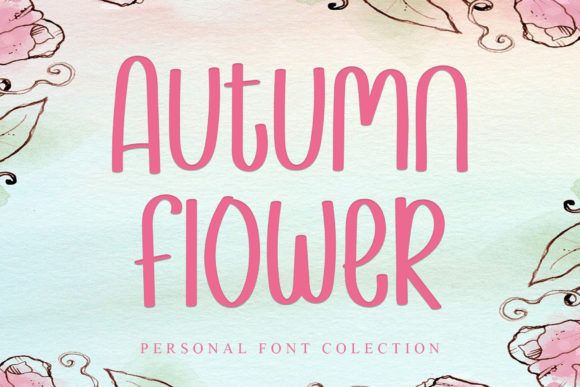
Autumn Flower is more than just a font—it’s an expression of creativity and individuality. Designed to mimic the fluidity and spontaneity of human handwriting, this typeface captures the subtle imperfections and organic flow that make handwritten text so appealing. Unlike rigid, machine-generated fonts, Autumn Flower offers a sense of movement and life, making it ideal for projects where personality and emotion play a key role.
What sets Autumn Flower apart is its varied baseline. This means each character sits slightly differently on the line, much like how someone would naturally write by hand. The result is a visually engaging and dynamic look that feels both artistic and approachable. Whether used in print or digital media, the font maintains its charm and clarity, ensuring that your message is as beautiful as it is readable.
A Rising Trend in Handwritten Typography
The popularity of handwritten fonts has surged in recent years, driven by a growing desire for personalization and authenticity across industries. Consumers are increasingly drawn to brands and content that feel genuine, relatable, and human. In this context, Autumn Flower aligns perfectly with modern design sensibilities that prioritize emotional connection over cold, impersonal aesthetics.
Handwritten fonts have found a special place in the fields of branding, event design, and lifestyle marketing. They’re often used to convey a sense of craftsmanship, warmth, and individuality. Autumn Flower, with its delicate curves and soft strokes, embodies these qualities while maintaining a level of sophistication that appeals to a broad audience.
Why Autumn Flower Is Gaining Traction
Several factors contribute to the rising attention paid to Autumn Flower:
- Visual Appeal: Its elegant and flowing style makes it perfect for designs that aim to evoke feelings of romance, nostalgia, or artistry.
- Versatility: Autumn Flower can be adapted for use in various formats—from wedding invitations to logos—making it a valuable asset for designers working across multiple platforms.
- Brand Differentiation: In a crowded market, businesses are using unique fonts like Autumn Flower to stand out and create memorable visual identities.
- Consumer Demand for Authenticity: As people seek more personalized and meaningful experiences, handwritten fonts help bridge the gap between digital communication and human touch.
Applications Across Industries
Autumn Flower’s adaptability allows it to thrive in diverse contexts. Here are some real-world examples of how professionals are leveraging this font to enhance their creative output:
Wedding Invitations and Event Design
Weddings are all about creating lasting memories, and the choice of font plays a crucial role in setting the tone. Autumn Flower is particularly well-suited for wedding invitations, where its romantic and refined appearance complements traditional and modern themes alike. Designers use it to craft bespoke invites that reflect the couple's unique story, from rustic barn weddings to elegant city affairs.
Marketing and Branding
In the realm of marketing, Autumn Flower helps brands communicate with warmth and sincerity. It’s frequently used in greeting cards, promotional materials, and social media campaigns aimed at building emotional connections with audiences. For instance, lifestyle brands focused on wellness, sustainability, or handmade products often adopt this font to reinforce their values and create a cohesive brand identity.
Logos and Business Cards
Entrepreneurs and small business owners are also turning to Autumn Flower for logo design and business cards. The font adds a distinctive flair that differentiates their brand from competitors relying on standard sans-serif or serif fonts. A signature or logo in Autumn Flower can suggest a personal touch, which is especially important in niches like boutique retail, artisanal crafts, and personal services.
Digital Media and Web Design
While Autumn Flower was designed with print in mind, its legibility and beauty translate well to digital platforms. When used sparingly in web design—such as in headers, call-to-action buttons, or decorative elements—it enhances user experience without compromising readability. Marketers and web developers appreciate how it can add a sense of intimacy and trust to online content, especially when targeting millennial and Gen Z demographics who value authenticity and storytelling.
Changing Needs and Preferences in Design
As technology continues to shape how we create and consume content, there is a counter-movement toward human-centric design. People no longer want everything to look polished and sterile; they crave warmth, texture, and a sense of realness. This shift has led to a renaissance in handwritten fonts, with Autumn Flower being one of the standout choices due to its balance between elegance and approachability.
Moreover, the rise of remote work and digital entrepreneurship has increased the demand for versatile tools that can be used across platforms. Fonts like Autumn Flower offer a solution for freelancers and solopreneurs who need to maintain a consistent and professional look while still expressing their creative voice.
Workflow Integration and Practical Use
Designers today work in fast-paced environments, often juggling multiple projects and clients. A font like Autumn Flower streamlines workflows by providing a ready-made solution for those seeking a handwritten aesthetic. It eliminates the need for custom illustrations or hiring a calligrapher, offering an efficient yet high-quality alternative that can be applied consistently across branding materials.
Tools like Adobe Photoshop, Illustrator, and even Canva support Autumn Flower, allowing creators to integrate it into their projects with ease. Additionally, many font libraries and marketplaces now feature this typeface, making it accessible to both seasoned professionals and newcomers to the design space.
Connecting with Larger Creative Trends
Autumn Flower doesn’t exist in isolation. It is part of a broader movement in the design industry toward handcrafted aesthetics and minimalist elegance. These trends reflect a cultural shift where simplicity, intentionality, and authenticity are valued over complexity and mass-produced sameness.
This trend is particularly visible in lifestyle branding, packaging design, and editorial layouts. Autumn Flower fits seamlessly into these spaces, helping to tell stories through typography. It supports the visual language of brands that emphasize craftsmanship, nature, and community—values that are increasingly important to consumers looking for meaning beyond the product itself.
Observations from the Field
Many designers report that Autumn Flower has become a go-to option for clients who want something unique but not overly whimsical. It strikes a balance between casual and formal, making it suitable for a wide range of applications. Some common observations include:
- It works best in limited quantities—overusing it can dilute its impact.
- Combining it with clean, modern sans-serif fonts helps maintain readability in complex layouts.
- Its varied baseline requires careful alignment in multi-line text to ensure visual harmony.
Future Relevance of Handwritten Fonts
Looking ahead, the relevance of handwritten fonts like Autumn Flower is likely to grow. As AI and automation continue to streamline content creation, the human element becomes even more precious. Typography that reflects a personal touch will remain in demand for its ability to connect emotionally and foster trust.
Additionally, the increasing emphasis on mental health and mindfulness in lifestyle and wellness sectors may further fuel the use of fonts that evoke calm, creativity, and connection. Autumn Flower, with its gentle curves and natural rhythm, is well-positioned to meet these evolving needs.
Practical Tips for Using Autumn Flower
To get the most out of Autumn Flower in your designs, consider the following tips:
- Use it for headings or short phrases rather than long blocks of text.
- Pair it with a complementary sans-serif font to create contrast and improve legibility.
- Experiment with spacing and alignment to highlight the font’s natural variation.
- Choose warm color palettes (like browns, golds, and deep reds) to enhance its seasonal and romantic feel.
These strategies help ensure that Autumn Flower remains a focal point without overwhelming the rest of your design. By using it thoughtfully, you can elevate your visuals and leave a lasting impression on your audience.
Conclusion
Autumn Flower is more than just a stylish font—it’s a reflection of current design preferences and consumer expectations. Its hand-written elegance and varied baseline make it a powerful tool for professionals across various industries who are looking to infuse their work with authenticity and warmth. As the demand for personalized and humanized content continues to rise, Autumn Flower stands out as a practical and expressive choice for those who understand the importance of thoughtful typography.
Whether you're designing a wedding invitation, crafting a new brand identity, or enhancing a digital campaign, Autumn Flower offers a way to connect with your audience on a deeper level. Embrace this font to bring a touch of nature, creativity, and individuality to your next project.